


Welcome to your Daily Income Opportunities from the Seller Dashboard. This section highlights short-term income opportunities from today’s options market. Each pick is evaluated based on annualized ROI, probability of expiring out-of-the-money, and premium yield from the Seller Dashboard.
Marvell Largest Options Trade
The trader is expressing conviction that MRVL’s bull run has exhausted and the stock will fail to clear $420.10 (strike $300 + $120.10 premium received) through January 2028, roughly 51% above the current price of $279.04. The far-dated tenor (577 DTE) and the size ($15M+ premium on a single fade) signal a structural top-call rather than a quick hedge; this is not a short-window tactical sale but a multi-quarter bet that the late-cycle momentum which carried MRVL into the 300s has run out of runway.

Potential Margin required: $22,750 ($227.5 × 100)
Premium received: $595.00
ROI for 31 days: 2.69% ($595.00 ÷ ($22,750 – 595.00))
Annualized Return: 31.28%
Breakeven: $221.550 ($227.5 – $5.950)
Probability of Profit: 87.14%
Barclays raises Bloom Energy target price to $276 from $254.

Potential Margin required: $8,500 ($85 × 100)
Premium received: $168.50
ROI for 24 days: 2.02% ($168.50 ÷ ($8,500 – 168.50))
Annualized Return: 30.33%
Breakeven: $83.315 ($85 – $1.685)
Probability of Profit: 82.62%
Strategy sold 2.7 million common shares raising $335.5 million, purchased 520 bitcoin and added $300 million to cash reserves reaching $1.4 billion.
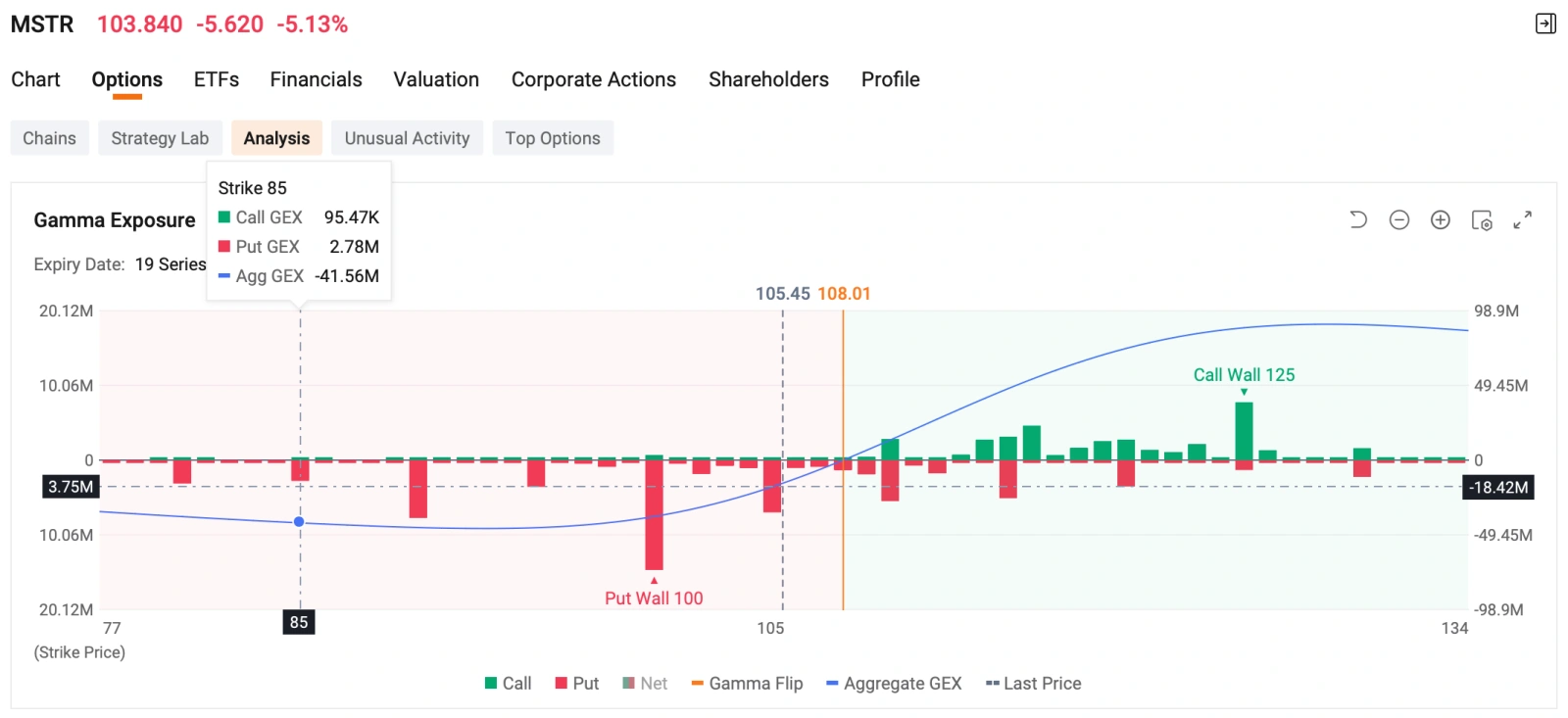
Potential Margin required: $20,000 ($200 × 100)
Premium received: $640.00
ROI for 24 days: 3.31% ($640.00 ÷ ($20,000 – 640.00))
Annualized Return: 49.58%
Breakeven: $193.600 ($200 – $6.400)
Probability of Profit: 82.42%
Nebius completes Eigen AI acquisition to strengthen AI cloud platform and will join Nasdaq-100 index in June 2026.

Potential Margin required: $2,500 ($25 × 100)
Premium received: $141.50
ROI for 38 days: 6.00% ($141.50 ÷ ($2,500 – 141.50))
Annualized Return: 57.12%
Breakeven: $23.585 ($25 – $1.415)
Probability of Profit: 82.27%
Carnival will report second-quarter earnings before Tuesday’s opening bell with analysts expecting 34 cents per share.

Premium received: $146.50
ROI for 24 days: 2.04% ($146.50 ÷ ($10,500 – 146.50))
Annualized Return: 30.63%
Breakeven: $103.535 ($105 – $1.465)
Probability of Profit: 92.57%
AST SpaceMobile affiliate plans to sell 2.5 million shares worth approximately $183 million while stock falls over 8% amid SpaceX IPO impact.
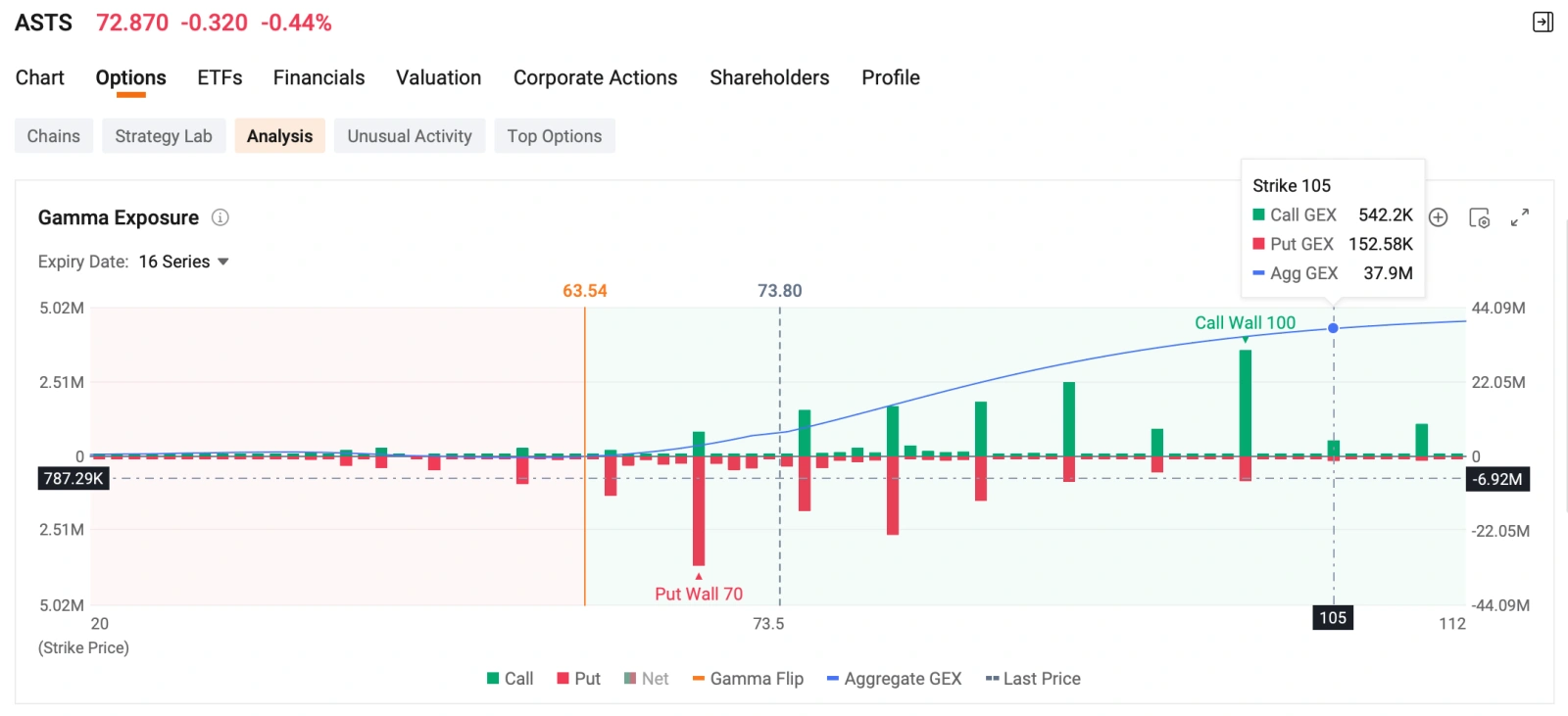
Premium received: $2435.00
ROI for 9 days: 2.05% ($2435.00 ÷ ($150,000 – 2435.00))
Annualized Return: 80.19%
Breakeven: $1475.650 ($1,500 – $24.350)
Probability of Profit: 86.35%
Bank of America raises Micron Technology price target to $1,500 from $950, maintains buy rating.

ROI for 24 days: 2.52% ($35.50 ÷ ($1,800 – 35.50))
Annualized Return: 37.83%
Breakeven: $17.645 ($18 – $0.355)
Probability of Profit: 86.08%
Nokia expands partnership with Google Cloud to integrate Gemini AI models into Nokia’s network software suite.
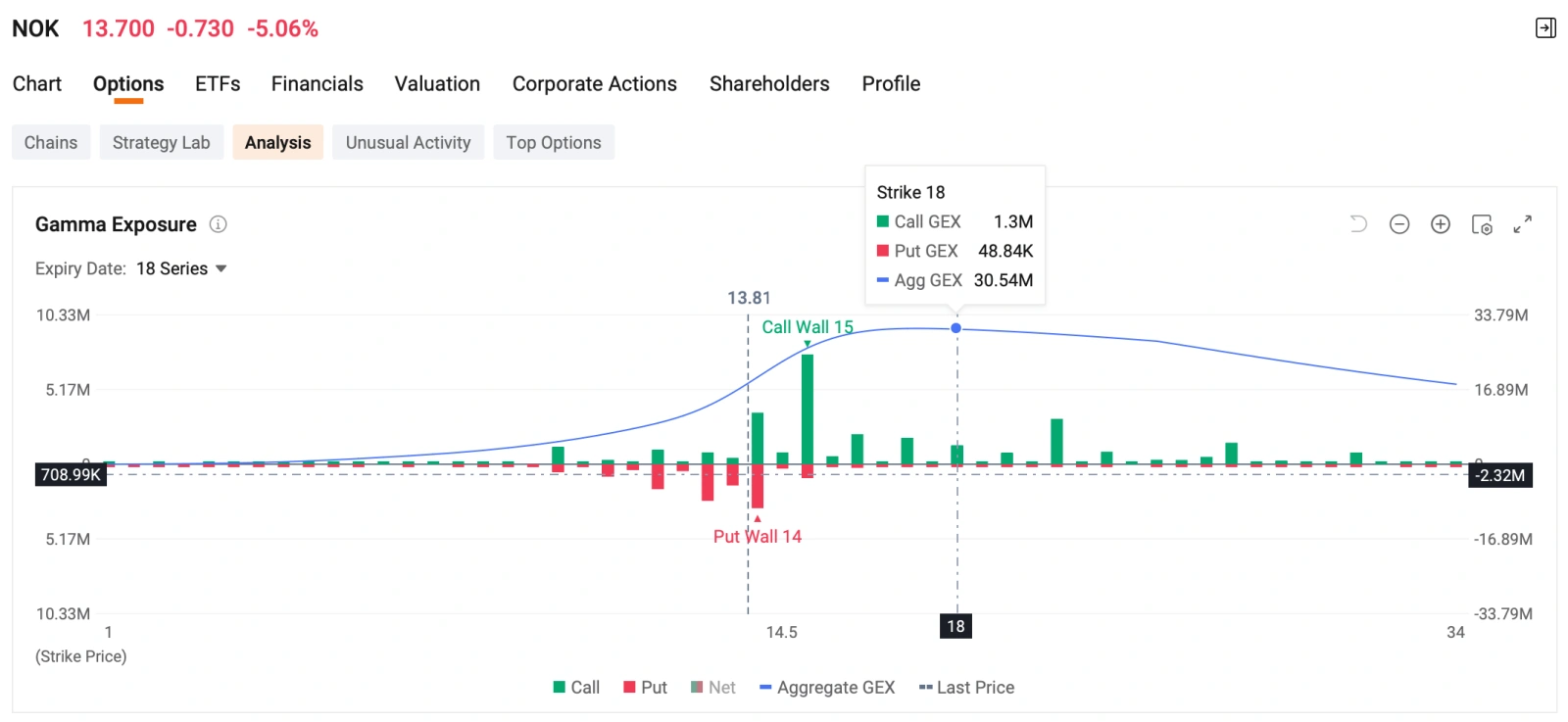
Premium received: $860.00
ROI for 24 days: 2.87% ($860.00 ÷ ($40,000 – 860.00))
Annualized Return: 43.10%
Breakeven: $391.400 ($400 – $8.600)
Probability of Profit: 85.91%
Bank of America Securities raises Marvell Technology price target from $240 to $365 and maintains buy rating.

by Monta HONG, CFA | Options Strategist
– You collect a premium upfront—your maximum profit if the option expires worthless.
– If the stock falls below the strike at expiration, you may be assigned and must buy 100 shares per contract at the strike price (effective cost = strike – premium).
– You keep enough cash to cover the potential purchase, hence “cash-secured.”
– Buying at a discount: get assigned shares at an effective lower price.
– You collect a premium upfront as income.
– If the stock stays below the strike, the call expires worthless and you keep both shares and premium.
– If the stock rises above the strike, you sell at that price (capping upside) but still keep the premium.
– Exit strategy: sell at a target price while generating extra income.
– Monitor implied volatility—higher IV means richer premiums but greater price swings.
Discover more from BrandedNepal | Shop Nepal’s Best Local & Global Brands
Subscribe to get the latest posts sent to your email.

